01/ Summary
As part of the Home Office’s asylum transformation programme, I joined as a Service Designer during the discovery phase to help turn an existing strategy into a testable proof of concept (PoC). The client already had a broad understanding of the challenge and a list of potential interventions to reduce long waiting times in asylum decisions.
DetailsRole:
|
Delivarables
|
Delivarables |
02/ Understanding the problem
The client understood the high-level problem (the delays within the asylum intake and decision-making process) and had already outlined potential interventions to address it. However, they lacked clarity on how these interventions connected and how to test their impact effectively.
Realignment workshop
The project began with a realignment session bringing together stakeholders, subject matter experts and delivery teams. This helped clarify objectives, rationalise overlapping interventions, and align everyone on a single shared vision.
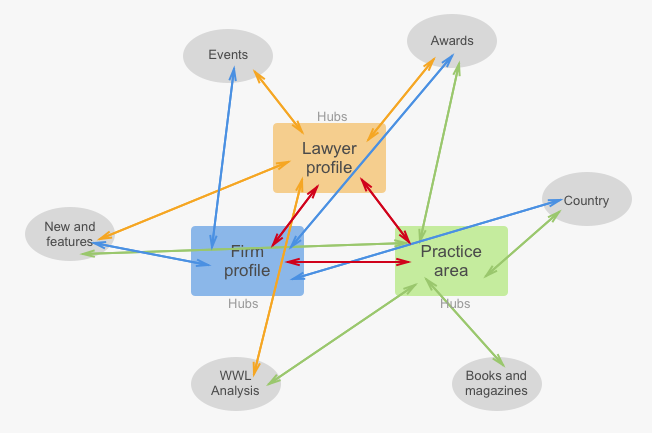
Strategic insightWe discovered that multiple fragmented journeys could be merged into one unified journey with scenario-based branches based on claimant characteristics such as nationality or case type. |
|
 |
03/ Solution
GDS service design approach
Mapping the current state
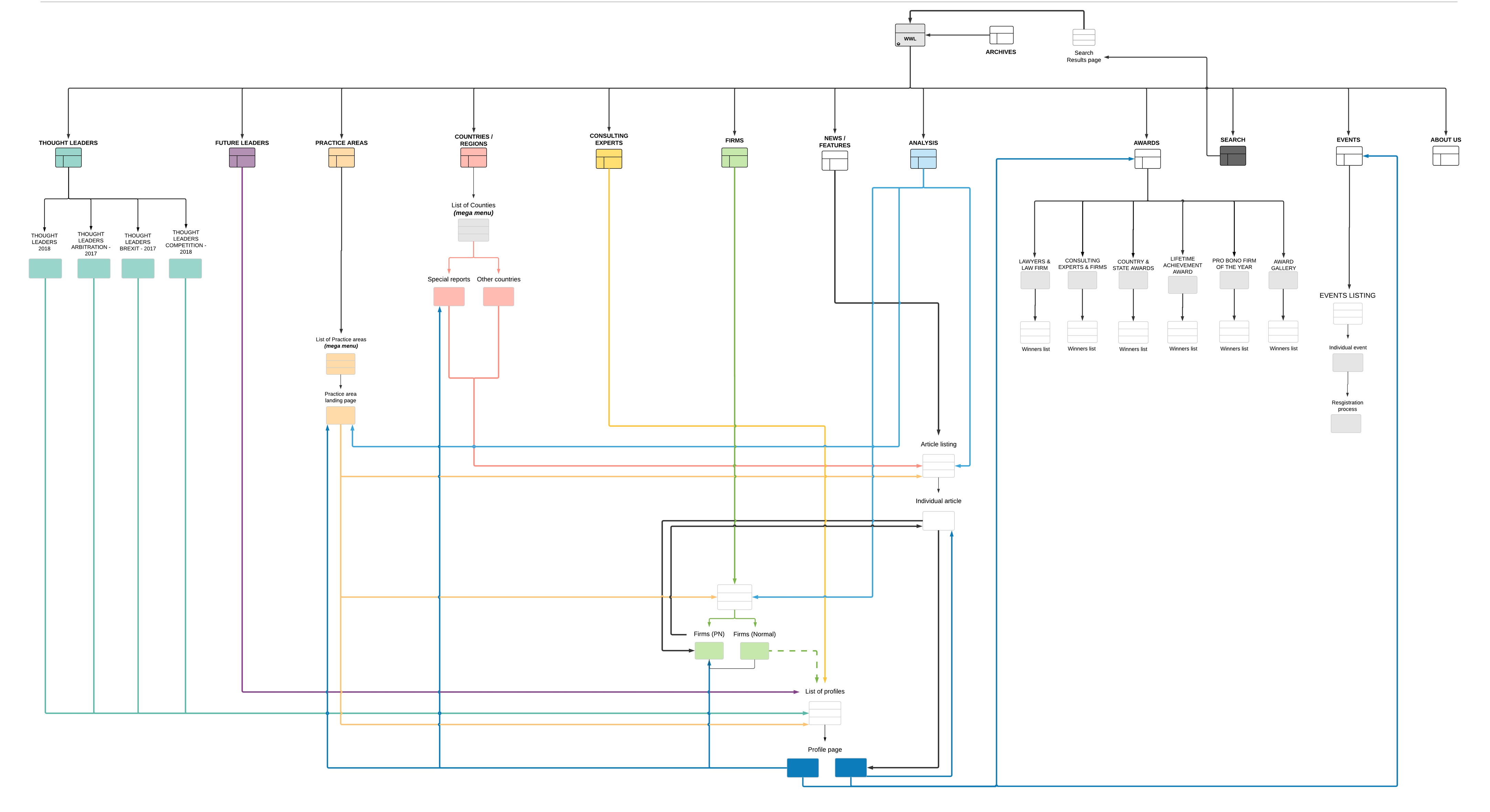
I worked closely with the user researcher and SMEs and various teams involved to map the current end-to-end asylum intake process from the moment a claimant enters the system to when data is passed through multiple technologies and teams.
This mapping uncovered inefficiencies, manual handoffs, and technology dependencies that would later shape the proof of concept (PoC).
Designing the Future State
We created a to-be journey that simplified the process for each intervention, highlighting the process changes required to run the pilot. The journey showed manual workarounds and ran co-design workshops with stakeholders to agree on roles, workflows, and dependencies.